
The Cultural and Historical Context of Jueteng
Jueteng is a well-known yet illegal numbers game deeply ingrained in the fabric of Filipino culture, particularly in regions such as Luzon. Despite its illegal status, Jueteng has persisted through the years, reflecting a complex interplay of cultural, economic, and social factors. Historically, Jueteng traces its origins back to the Chinese and was introduced to the Philippines during the Spanish colonial period. The name "Jueteng" is believed to have originated from the Chinese words "hua" (flower) and "ting" (to listen), evolving over time to become a fixture in Filipino gamble culture.
The Mechanics of Jueteng
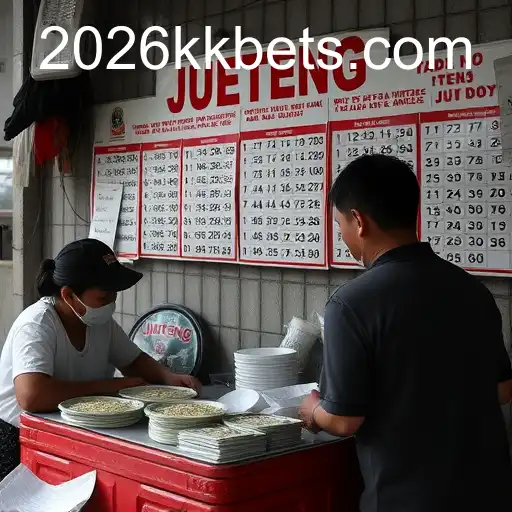
The gameplay mechanics of Jueteng are relatively straightforward, contributing to its widespread popularity. Participants choose a combination of numbers, generally between 1 and 37, and place their bets with a cobrador, an individual responsible for collecting bets. The winning numbers are drawn from a tambiolo, a device similar to bingo machines, designed to ensure randomness. Winnings can be attractive, offering substantial returns on small bets, which fuels its appeal among players hoping for financial windfalls.
The Economic Impact of Jueteng
In economically disadvantaged communities, Jueteng serves as both a source of hope and a considerable economic activity. For many Filipinos, particularly those living in poverty, Jueteng is perceived as an opportunity to improve their fortunes. It generates daily economic activity and provides numerous jobs to individuals functioning as kabo (lead bet collector), cabos, and cobradores. Nonetheless, its illegal nature means proceeds are outside formal economic structures, limiting potential contributions to sustainable community development and governance structures.
Cultural Significance and Social Acceptance
Despite being illegal, Jueteng enjoys a paradoxical relationship with law enforcement and government officials. In some contexts, local politicians and law enforcers are implicated in Jueteng operations, whether through direct involvement or protective oversight, extending its reach and longevity. Furthermore, Jueteng sees tacit acceptance within communities due to its cultural resonance and historical roots. Many Filipinos view it as a harmless pastime, turning a blind eye to its potential legal repercussions and ethical considerations attached to gambling.
Ongoing Challenges and Legal Efforts
The persistence of Jueteng poses significant challenges to governance within the Philippines, highlighting issues related to corruption, policing, and political complicity. Efforts to eradicate Jueteng through enforcement and legislative actions face substantial obstacles, often curtailed by lax enforcement and local accommodation of the game. Corruption within local law enforcement and among political figures exacerbates the issue, allowing Jueteng to flourish despite repeated clampdowns.wg-carnaval
The Role of Technology in Jueteng's Evolution
In recent years, technology has played a role in evolving the methods of placing bets in Jueteng. Mobile phone technology permits instant communication and bet placements, increasing the efficiency and reach of Jueteng operators. This advancement underscores the adaptability of the game amid modern technological developments, though it also presents further hurdles for authorities attempting to monitor and curb its proliferation.001game
The Intersection of Jueteng and Society's Values
Jueteng is not merely a game of chance within the Philippines; it is an activity that intersects deeply with societal norms and values. It promotes reflection on moral and ethical considerations tied to gambling and raises questions regarding responsibility, governance, and economic disparity. Despite ongoing challenges, Jueteng reflects the resilience and adaptability of cultural traditions in a rapidly changing socioeconomic landscape, making it an indelible aspect of Philippine society.7GGG
Jueteng Under Scrutiny
While its socio-economic implications are deeply felt, Jueteng remains under significant scrutiny from various sectors seeking reform and change. Continued media spotlight, combined with civil society efforts, aims to address systemic issues tied to Jueteng by advocating for transparency, legal reforms, and alternative livelihood opportunities within affected communities. The ongoing dialogue underscores the multifaceted approach required to effectively address Jueteng's prevalence and the associated cultural complexities.E77
83h